
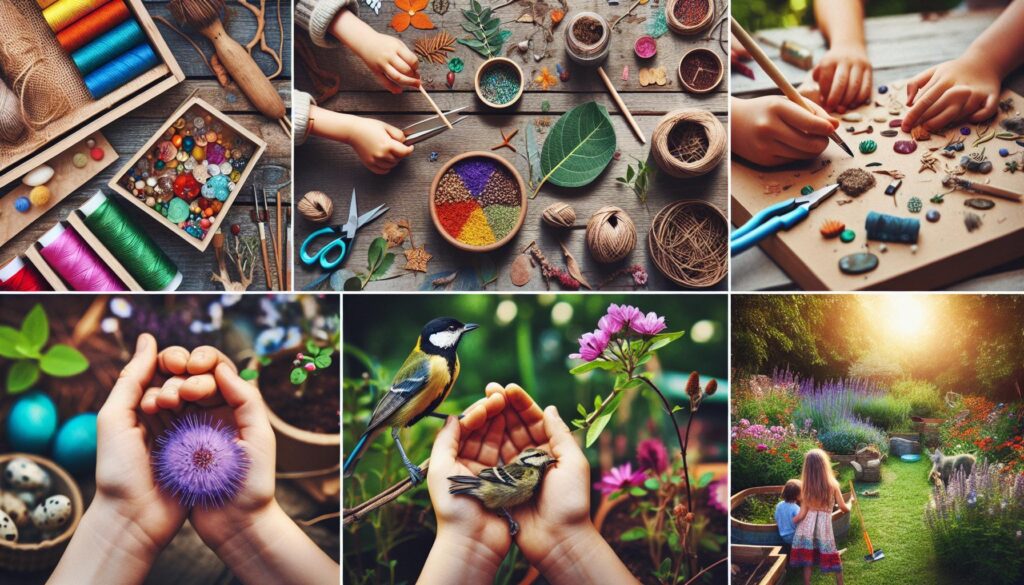

Urban Naturalist Bootcamp for Kids: A Nature Adventure
Are your kids glued to their screens, tapping away like they’re conducting a symphony of scrolling? It’s time to unleash their inner explorer and swap pixelated worlds for real-life adventures! Welcome to the Urban Naturalist Bootcamp for kids: A Nature Adventure, where the only filters used will be the natural ones! Imagine your little ones trading their tablets for binoculars, diving into the wild side of city life, and discovering the hidden treasures of nature right in their own neighborhoods. With hands-on activities that make learning as fun as a mud pie (yes, they can get dirty!), this bootcamp promises laughs, lifelong memories, and perhaps even a few slithering surprises. So, buckle up and let’s embark on an unforgettable adventure that will have your kids coming home with stories that are almost as impressive as the one about the big fish that got away!
Exploring Nature in Urban Settings: A Unique Opportunity for kids
Urban environments, often perceived as concrete jungles, provide a rich tapestry of nature waiting to be discovered. As children engage in the Urban Naturalist Bootcamp, they are given the chance to explore diverse ecosystems, from vibrant community gardens to lush parks and even the hidden nooks of urban woodlands. This interactive learning experience fosters a deeper thankfulness for the environment and encourages kids to observe the vital role nature plays in city life.Key activities during the bootcamp include:
- Identifying Local Flora and fauna: Kids learn to recognize various plant species and the animals that inhabit their urban surroundings.
- Nature Walks: Guided explorations in parks provide a firsthand look at how biodiversity thrives amidst urban growth.
- Art and Ecology: Creative projects allow children to express their observations and connect with nature through art.
- Citizen Science Projects: Participants contribute to data collection initiatives, highlighting the meaning of biodiversity and conservation studies.
the intersection of nature and urban life offers children unique learning opportunities that extend beyond traditional classroom settings. by participating in hands-on activities, kids not only develop a sense of stewardship for their environment but also cultivate critical thinking and problem-solving skills. The following table summarizes the benefits of exploring nature in an urban context:
| Benefit | Description |
|---|---|
| Environmental Awareness | Understanding the impact of urbanization on natural habitats. |
| Physical activity | Encouraging outdoor play through engaging explorations. |
| Social Skills | Building teamwork and communication skills while collaborating with peers. |
| Creativity | Inspiring innovative thinking through nature-inspired art projects. |

Essential Skills Developed Through Urban Naturalist Bootcamp
Participating in the Urban Naturalist Bootcamp equips kids with a range of essential skills that go beyond merely exploring nature. One of the primary skills developed is observational aptitude. Children learn to use their senses to identify different plants, animals, and ecosystems around them. This heightened awareness fosters a deeper connection with the environment and encourages them to ask questions and seek answers, enhancing their critical thinking abilities. As they engage in activities like birdwatching or plant identification, they also learn to document their findings, which nurtures their scientific literacy and promotes effective communication of their observations.
Additionally, teamwork and collaboration are vital aspects of the Urban Naturalist Bootcamp experience. The program encourages kids to work together in group projects, such as habitat restoration or wildlife surveys. Through these activities, they develop strong interpersonal skills and learn the importance of shared responsibilities. Furthermore, the bootcamp introduces kids to problem-solving techniques by presenting them with real-world ecological challenges. This hands-on approach not only reinforces their understanding of sustainability but also empowers them with the confidence to make positive ecological contributions in their own communities.
Engaging Activities that Foster a Love for the Environment
Engaging children with the environment can be as simple as turning everyday activities into exciting learning experiences. Nature scavenger hunts allow kids to explore their urban surroundings while searching for specific plants, insects, or natural formations. This not only boosts their observational skills but also cultivates an appreciation for biodiversity. Another captivating activity is the wildlife observation journal, where children can document their encounters with local animals, sketch their findings, and note the behaviors they observe. By linking these activities to creative storytelling,kids can embrace their imagination,linking facts to fantastical adventures in nature.
Incorporating technology can further enhance these immersive experiences. For instance, citizen science apps provide an interactive platform for kids to contribute to real-life environmental studies, such as tracking migratory patterns of birds.Establishing a community garden workshop connects children with their food sources while teaching them about sustainability and ecology. As they plant seeds, they learn about growth cycles and the importance of native species. Hear’s a brief overview of other engaging activities that parents and educators can facilitate:
| Activity | Description |
|---|---|
| Nature Art Projects | Create art using natural materials like leaves, stones, and flowers. |
| Storytime in the Park | Read books about nature in an outdoor setting to foster imagination. |
| Eco-Friendly Crafts | Use recycled materials to create projects that emphasize reducing waste. |
| Stream Exploration | Study local waterways to understand ecosystem health and conservation. |

Connecting with Local Biodiversity: Learning to Identify Species
Connecting with local biodiversity enhances our understanding and appreciation of the natural world, especially for young explorers. During the Urban Naturalist Bootcamp, kids will engage in exciting activities designed to reinforce their observational skills. Guided nature walks will allow participants to explore parks and green spaces, observing various species in their habitats. Participants will learn to identify common plants and animals through hands-on experiences, using tools such as:
- Field guides
- Binoculars for birdwatching
- Magnifying glasses to examine insects
the bootcamp will feature interactive workshops focused on the unique biodiversity of urban environments. By participating in citizen science projects,kids will contribute valuable data while developing a deeper connection to their surroundings. They will also master techniques for species identification, including:
- Recognizing native vs. invasive species
- Understanding ecosystems and food webs
- Learning simple ecological terms and definitions
| Activity | Objective |
|---|---|
| Nature Scavenger Hunt | Identify local flora and fauna |
| Wildlife Observation | Understand behaviors and habitats |
| Plant Pressing Tutorial | Preserve specimens for further study |

Understanding Ecosystems: Hands-On Learning for Young Explorers
In the heart of our bustling cities lies a treasure trove of biodiversity waiting to be explored. This hands-on program invites young naturalists to discover the vibrant ecosystems that coexist with urban life. By engaging young minds through interactive experiences, they learn to identify various species of plants and animals, understand their roles within the ecosystem, and appreciate the delicate balance of urban wildlife. Activities could include:
- Nature Walks: Guided explorations that focus on identifying local flora and fauna.
- Mini Bioblitz: A fun activity where participants can catalog different species found in specific areas of the city.
- Habitat Restoration Projects: Hands-on work to help improve and protect local green spaces.
- Wildlife Observation: learning to observe and record wildlife behavior without disturbing their natural habitat.
Through these immersive experiences, children will gain critical skills that foster a deep respect for nature and conservation. They will explore how urban environments influence ecological relationships, recognizing that even the smallest garden or park can be an essential habitat. to highlight the diversity of life found in urban settings, we will create a simple chart to illustrate some of the common urban species, their habitats, and notable traits.
| Species | Typical Habitat | Key Characteristics |
|---|---|---|
| Red-tailed Hawk | Trees, rooftops | Sharp eyesight, keen hunters |
| common Sparrow | Parks, backyards | Social, vocal chirpers |
| Eastern Gray Squirrel | Trees, urban areas | Agile climbers, bushy tails |
| Ladybug | Gardens, fields | Beneficial pest control, colorful |
The Importance of Outdoor Education in Childhood Development
Engaging children in outdoor education fosters not only intellectual growth but also emotional and social development. Through activities like hiking, birdwatching, and ecological surveys, kids learn to appreciate and understand their environment. This hands-on experience helps cultivate a sense of wonder and curiosity about nature, empowering them to become responsible stewards of the planet. Research shows that outdoor learning can lead to improved academic performance,as when students connect theoretical concepts to real-world experiences,their retention increases. Additionally, exposure to natural settings has been linked to enhanced creativity and problem-solving skills, making outdoor education a crucial component of well-rounded development.
Furthermore, participating in programs like a nature bootcamp promotes essential life skills that transcend the classroom. Kids develop collaboration and communication skills as they work together on team projects like building shelters or identifying local flora and fauna. They also learn resilience and adaptability by navigating the unpredictable elements of nature, such as weather changes or wildlife encounters. The social interactions fostered in these outdoor settings help build confidence and emotional intelligence, crucial characteristics for personal and professional success later in life. These transformative experiences are vital for shaping conscientious, educated individuals who are in tune with both themselves and the world around them.
Creating Lasting Memories: The Social Benefits of Nature Adventures
engaging with nature is not just a pastime; it lays the groundwork for creating profound social bonds among kids. During outdoor adventures, children experience a unique blend of revelation and teamwork that fosters genuine friendships. As they explore natural environments, they collaborate on challenges—whether it’s identifying plant species, navigating trails, or participating in group scavenger hunts. This hands-on approach nurtures communication skills, enhances teamwork, and builds a sense of community among peers. over time, these shared experiences solidify relationships, creating lasting memories that children will carry with them into adulthood.
Moreover, nature adventures significantly boost children’s emotional well-being, influencing their social interactions positively. Research indicates that time spent in green spaces can reduce stress and increase feelings of happiness and connectedness. As children immerse themselves in the outdoors, they cultivate essential life skills such as problem-solving, adaptability, and empathy. These experiences pave the way for resilient personalities who are better equipped to navigate social landscapes in the future. Below is a table illustrating some key social benefits of outdoor activities for children:
| Social Benefit | Description |
|---|---|
| Enhanced Communication | Sparks interactions fostering dialogue among peers. |
| Team Collaboration | encourages working together towards a common goal. |
| Conflict resolution | Teaches negotiation and compromise naturally. |
| Increased Confidence | Boosts self-esteem through shared achievements. |
Tips for Parents: Supporting Your Child’s Urban Nature journey
Encouraging your child’s exploration of urban nature can transform their relationship with the environment,fostering curiosity and a sense of responsibility. Here are some effective ways to support this journey:
- Engage with Local Parks: Visit different parks in your city to discover diverse ecosystems, plants, and wildlife. Encourage your child to keep a nature journal to document their observations.
- Participate in Citizen Science: Involve your child in local citizen science projects. Websites like Nature Rocks and iNaturalist offer accessible platforms for recording wildlife sightings.
- Create a Nature Scavenger Hunt: Design a scavenger hunt in your neighborhood, focusing on various natural elements. Your child will gain excitement and awareness in seeking out local plants and animals.
Additionally, facilitating discussions about urban ecology can deepen your child’s understanding.Consider these interactive activities:
| Activity | Description |
|---|---|
| Nature Walks | Explore your urban environment, identifying plants and animals. Bring a guidebook to learn together. |
| Gardening Projects | Start a small garden at home or in a community space to teach your child about plant biology and pollinators. |
| Attend Workshops | Look for workshops at local nature centers or museums that focus on urban wildlife and conservation. |
FAQ
What is the Urban Naturalist Bootcamp for Kids, and what does it aim to achieve?
the Urban Naturalist Bootcamp for kids is a dynamic program designed to immerse children in nature while fostering an understanding of their urban environment. Typically held in outdoor spaces such as parks, community gardens, or nature reserves, the bootcamp offers a hands-on learning experience that cultivates curiosity about local ecosystems.The primary aim of the program is to bridge the gap between urban living and the natural world, helping children develop an appreciation for biodiversity even in their city surroundings.
Through structured activities, the bootcamp encourages exploration and observation of various elements of nature—ranging from insects and plants to birds and small mammals. Participants engage in activities such as nature scavenger hunts, soil sampling, and wildlife observation, which not only instill a sense of adventure but also teach valuable scientific concepts. These practical experiences are often complemented by educational discussions about environmental conservation and the importance of maintaining healthy urban ecosystems.
Who can participate in the Urban Naturalist Bootcamp, and what age groups are targeted?
The Urban Naturalist Bootcamp primarily targets children aged 6 to 12 years, a formative age when curiosity about the world is at its peak. By engaging this specific age group, the program aims to instill a lasting interest in nature and science. However, some sessions may also cater to older teens or younger children, depending on the specific curriculum and objectives outlined for that bootcamp.
Additionally, programs may be tailored for diverse groups, including families, school classes, or community organizations, making it an inclusive opportunity for various backgrounds. By breaking down barriers between children and nature,the bootcamp not only teaches about wildlife and ecology but also emphasizes inclusivity and teamwork,fostering social connections among participants.
What activities can children expect to experience during the bootcamp?
Children participating in the Urban Naturalist Bootcamp can look forward to a well-rounded mix of engaging activities designed to enhance their learning experience. Activities typically include nature walks, where participants explore different habitats in their urban environment and learn to identify local flora and fauna. instructors frequently enough guide the children on how to use basic tools, such as binoculars for birdwatching or magnifying glasses for examining small organisms.
In addition, children may participate in hands-on workshops, like building birdhouses or creating mini-gardens, which promote skills such as teamwork, craftsmanship, and environmental stewardship.These creative pursuits not only enhance their understanding of the ecosystem but also encourage them to think critically about their role as young stewards of the environment.
What skills do children develop during the Urban Naturalist Bootcamp?
The Urban Naturalist Bootcamp fosters a variety of skills that benefit children both in and out of the natural environment. One of the most significant skills developed during the program is observation. By using tools like field guides and field notes, children are taught to pay closer attention to their surroundings, enhancing their ability to notice patterns and changes in nature. This observational skill can translate into better focus and analytical abilities in academic settings as well.
Moreover, participants also build teamwork and communication skills through collaborative activities. Children learn to share their findings, discuss observations with peers, and collaborate on projects. These social skills are essential for future interactions, building confidence in their ability to express their thoughts and work effectively in groups. Consequently, the bootcamp serves as a holistic educational experience that encourages children to take pride in their contributions to nature and each other.
How does participating in the Urban Naturalist Bootcamp benefit children’s understanding of environmental issues?
Engaging in the Urban Naturalist Bootcamp significantly enhances children’s awareness of environmental issues, particularly those affecting urban ecosystems. As they explore their local habitats and understand the interconnections between species and their environments, children learn about concepts such as biodiversity, habitat conservation, and the importance of pollinators. By witnessing first-hand the effects of urbanization on nature, children can better comprehend the delicate balance between human activities and ecological health.Moreover, discussions around sustainability and conservation practices frequently enough form a core component of the curriculum. For example, when learning about composting and recycling, children can appreciate how their daily actions impact the environment. They become equipped not just with knowledge but also with practical skills that they can apply in their homes and communities, thereby promoting a mindset geared toward making positive environmental choices.
How can parents be involved in the Urban Naturalist Bootcamp for Kids?
Parents play a crucial role in enhancing the experience of the Urban Naturalist Bootcamp for Kids. Many programs encourage parent involvement, whether through volunteer opportunities during sessions or by participating in family-focused events. This participation not only allows parents to bond with their children over shared experiences but also helps reinforce the lessons learned during the bootcamp.
In addition to being present during activities, parents can support children’s ongoing interest in nature by implementing related activities at home. Simple actions such as providing magnifying glasses for backyard explorations,creating a home garden,or taking family nature walks can extend the bootcamp experience beyond structured activities. By fostering discussions about nature, sharing interesting facts, or planning outdoor adventures, parents can ensure that the values and knowledge gained in the bootcamp continue to flourish in their children’s everyday lives.
Final Thoughts
As we wrap up our exploration of the Urban Naturalist Bootcamp for Kids, it’s clear that this unique program serves as more than just a summer activity; it’s a gateway to a deeper understanding of our environment and the intricate ecosystems that thrive within our cities. with hands-on experience,children not only learn to identify local flora and fauna but also develop critical thinking skills as they engage in real-world scientific inquiry.
Data illustrates that immersive nature programs significantly enhance children’s connection to the natural world, fostering a sense of stewardship that can last a lifetime. As a notable example, a study by the National Wildlife federation found that children who participate in nature-based education exhibit higher levels of environmental awareness and responsibility. By participating in the Urban Naturalist Bootcamp, kids gain invaluable insights that extend beyond the classroom, nurturing both their curiosity and their respect for the planet.In a world where digital distractions are ever-present, initiatives like this remind us of the importance of hands-on learning and the joy of discovery in nature’s playground.Whether your child is a budding scientist or simply curious about the world around them, the Urban Naturalist Bootcamp provides an engaging and educational summer that can spark a passion for the natural world—and perhaps inspire the next generation of environmental champions. As you consider opportunities for your young learners, remember that this nature adventure is not just a program; it’s an invitation to explore, learn, and connect with the awe-inspiring world that surrounds us all.

