Why Your Kids Should Connect wiht Nature and Wildlife
In a world dominated by screens and video games, it’s easy to forget that our little ones come from a long line of adventurers—those brave souls who roamed teh wild, discovering the wonders of nature and befriending squirrels. But what if we could tap into that innate curiosity and enthusiasm? Imagine your kids twirling like dervishes in a field of wildflowers or donning makeshift superhero capes made from leaves. Connecting with nature and wildlife isn’t just playtime; it’s a powerful remedy for the digital-age blues. From boosting creativity to promoting physical health, the great outdoors has a treasure trove of benefits just waiting to be explored.So, grab your binoculars and a sense of humor—because it’s time to unleash the wild child within your mini-me and discover why getting muddy is the new black!
The Importance of Nature for Child Development
Connecting with nature plays a crucial role in child development, fostering not only physical health but also emotional and cognitive growth. When children explore the outdoors, they encounter various stimuli that are essential for their sensory development. Nature encourages curiosity and creativity,allowing children to engage in imaginative play and problem-solving. Studies have shown that children who spend more time in natural settings exhibit fewer symptoms of anxiety and depression, showcasing the mental health benefits that nature can provide. Moreover, outdoor activities promote physical fitness, helping combat the growing concerns around childhood obesity by encouraging active play.
Engaging with wildlife and natural environments cultivates a sense of environmental stewardship and empathy in children.By observing animals and plants, children learn to appreciate the intricacies of ecosystems, fostering a lifelong respect for nature. Some key benefits of nature exposure include:
- Improved Attention Span: Nature has been found to reduce mental fatigue and improve focus.
- Enhanced Social Skills: Outdoor play encourages teamwork, sharing, and cooperation.
- Boosted Creativity: Unstructured nature play allows for open-ended exploration and innovation.
To illustrate these benefits, consider the following table showcasing the positive impacts of outdoor play:
| Outdoor Activity | Benefits |
|---|---|
| Forest Exploration | Enhances sensory learning |
| Wildlife Observation | Increases empathy towards living beings |
| Gardening | Promotes obligation and patience |

Fostering Emotional Well-Being Through Outdoor Experiences
Engaging with nature offers children a myriad of emotional benefits that can substantially enhance their overall development. Time spent outdoors provides a unique prospect for kids to explore their feelings, fostering a sense of wonder and curiosity. When children interact with natural environments, they often experience reduced levels of anxiety and stress. research indicates that integrating outdoor activities into their routine can:
- Boost mood: Natural settings promote the release of endorphins, leading to increased happiness.
- Enhance attention: Being in nature can restore focus and improve concentration,wich is especially beneficial for children with attention difficulties.
- Encourage social interaction: Outdoor play fosters teamwork, cooperation, and communication skills as children engage with peers.
Furthermore, outdoor experiences cultivate resilience and a sense of achievement. When children face natural challenges—be it climbing a hill,balancing on a log,or creating a shelter—they develop problem-solving skills and the ability to persevere. These experiences teach them to manage risks and make decisions, fostering independence. A simple exploration can yield invaluable lessons, such as:
| Experience | Life Lesson |
|---|---|
| Hiking on a nature trail | Patience and endurance |
| Building a fort with sticks | Creativity and resourcefulness |
| Observing wildlife | Respect for living beings |
By regularly incorporating these outdoor experiences, parents can nurture a deep emotional well-being in their children, helping them grow into resilient, confident individuals who appreciate the world around them.
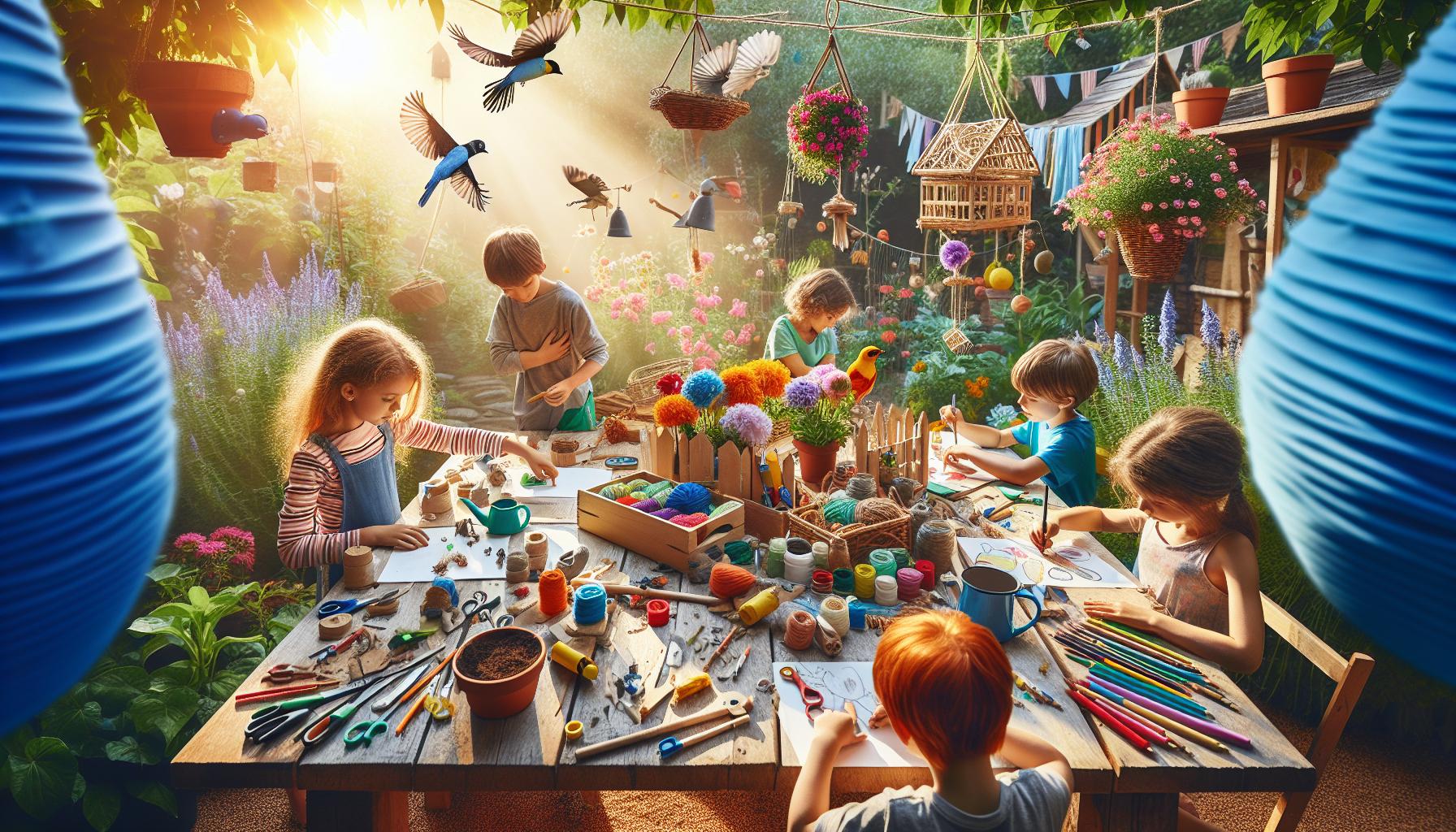
Encouraging Curiosity and Exploration in Natural Settings
One of the most fulfilling ways to nurture a child’s sense of wonder is by immersing them in the natural world. Nature is a living classroom filled with opportunities for growth and revelation. When children are encouraged to explore their surroundings, they develop a stronger connection to the environment, which fosters a deeper respect for wildlife and ecosystems. Activities like hiking,bird watching,or simply observing the behavior of insects can pique their curiosity and engage their sensory perceptions,making learning fun and interactive. The benefits of outdoor exploration include:
- Enhanced observational skills: Kids learn to notice patterns, changes, and differences within nature.
- Critical thinking development: Encountering challenges in natural settings encourages problem-solving and innovative thinking.
- Improved physical health: Outdoor activities promote exercise, coordination, and overall well-being.
Additionally, providing structured activities in natural settings can significantly bolster a child’s cognitive and emotional development. By encouraging free play, children can engage with diverse elements of nature, turning each experience into an opportunity for discovery. The use of guided questions and age-appropriate tasks can help them navigate their environment more thoughtfully. For example, parents and educators can organize nature scavenger hunts or hands-on projects such as building insect hotels. Activities like these not only instill a sense of accomplishment but also facilitate valuable discussions about conservation and biodiversity. Here’s a simple comparison of different activities and their benefits:
| Activity | Benefits |
|---|---|
| Nature Walks | Enhances curiosity through exploration and physical activity. |
| Gardening | Teaches responsibility and the life cycle of plants. |
| Wildlife Observation | Promotes patience and respect for living creatures. |

Building a Sense of Responsibility Towards Wildlife
Fostering a connection to the natural world is essential in cultivating a sense of responsibility towards wildlife. Children who are educated about biodiversity and ecosystems are more likely to appreciate the intricacies of life forms that share our planet. Engaging with wildlife firsthand, whether through excursions, wildlife documentaries, or local conservation projects, helps children grasp the importance of protecting these creatures and their habitats. When they learn that a small action,like reducing plastic waste or supporting wildlife sanctuaries,has a cascading affect on the environment,they become empowered stewards of nature.
Teaching kids the importance of wildlife conservation can be both informative and fun. Incorporating interactive experiences into their learning process makes the subject more relatable and memorable. Consider these activities to highlight a sense of duty towards wildlife:
- nature Walks: Explore local parks and discuss the animals and plants observed, encouraging questions about their roles in the ecosystem.
- Community Clean-Up Days: Organize or participate in local cleanup efforts to help remove litter from natural habitats.
- Wildlife Documentaries: Watch and discuss documentaries that showcase the importance of wildlife conservation initiatives around the globe.
For those looking to further educate young minds, introducing them to simple conservation facts can stimulate their interest. Here is a brief comparison of the outcome of human activity on wildlife:
| Human Activity | Impact on Wildlife |
|---|---|
| Deforestation | Habitat loss for countless species |
| Pollution | toxic environments leading to wildlife decline |
| Climate Change | Altered habitats and migration patterns |
By engaging children with these concepts and activities, we create mindful individuals who understand the pressing need to protect wildlife and contribute positively to the environment.
The Role of Nature in Enhancing Cognitive Skills
Engaging with the natural world has profound effects on children’s cognitive development. Research indicates that spending time outdoors enhances attention span, boosts creativity, and fosters problem-solving skills. When children participate in activities such as hiking, observing wildlife, or simply playing in a backyard, they engage multiple senses, which enriches their learning experiences. This multi-sensory engagement not only strengthens neural pathways but also encourages deeper connections, as noted in numerous studies linking nature exposure to improved executive function.
Furthermore, exposure to diverse environments instills curiosity and enhances critical thinking abilities. Nature often presents unpredictable scenarios that require children to adapt and think creatively. Benefits include:
- Improved Focus: Natural settings can reduce cognitive fatigue and help children concentrate better on tasks at hand.
- Enhanced Creativity: Interaction with varying landscapes and wildlife stimulates imaginative thinking.
- Increased resilience: Facing challenges in nature, such as navigating a trail or observing animal behavior, teaches problem-solving through real-world experiences.
Strategies for Incorporating Nature into Family Activities
Embrace Outdoor Adventures
Integrating nature into family activities can be as simple as planning weekend outings that focus on outdoor exploration. Nature hikes, as a notable example, offer a fantastic opportunity for families to enjoy the great outdoors while promoting physical fitness. Encourage your kids to engage with their surroundings by identifying local flora and fauna along the trail. Bring along a nature journal for them to sketch interesting plants or write about their findings, enhancing both observational skills and creativity.
Create a Home Garden
{% if your_theme %}.custom-table { border-collapse: collapse; width: 100%; }.custom-table th, .custom-table td { border: 1px solid #ddd; padding: 8px; text-align: left; }.custom-table th { background-color: #f2f2f2; }{% endif %}
Another productive way to cultivate a connection with nature is to start a home garden. This hands-on activity allows kids to witness the growth cycle of plants and understand the importance of ecology.Consider the following types of gardens your family could create:
| Type of Garden | Benefits |
|---|---|
| Vegetable Garden | teaches nutrition and responsibility |
| Flower garden | Encourages creativity and thankfulness for beauty |
| Herb Garden | Promotes cooking skills and healthy living |
Involve the entire family in the planning, planting, and maintenance, allowing kids to experience the rewards of hard work, patience, and sustainability.
Promoting Physical Health Through outdoor Play
Engaging children in outdoor play not only fosters their connection with nature but also offers a multitude of physical health benefits. Regular outdoor activities encourage kids to be more active, which helps combat the rising rates of childhood obesity. Studies have shown that children who play outside are significantly more likely to achieve recommended levels of daily physical activity. This increased movement can enhance cardiovascular health,strengthen muscles and bones,and improve coordination and balance.Moreover, exposure to sunlight aids in the synthesis of Vitamin D, crucial for maintaining healthy bone structure and immune function.
additionally, outdoor play can enhance mental well-being, which is intrinsically linked to physical health. Nature offers a calming atmosphere that reduces stress and anxiety, promoting positive moods in children. It also stimulates creative thinking and problem-solving skills. through exploration and play, children can learn to engage with their environment, leading to increased resilience and social skills as they navigate interactions with peers. The following points summarize the crucial benefits:
- Boosts physical fitness: Increases overall activity levels.
- Enhances mental health: reduces anxiety and improves mood.
- Promotes social skills: Encourages teamwork and cooperation.
- Fosters creativity: Sparks imaginative play and exploration.
Incorporating regular outdoor activities into a child’s routine can take many forms. Parents and educators can facilitate experiences through organized sports, nature hikes, or simple free play in safe outdoor spaces. To illustrate the variety of outdoor activities suitable for different age groups, consider the following table:
| Age Group | Recommended Activities |
|---|---|
| 2-5 years | Nature walks, sandbox play, toddler obstacle courses |
| 6-10 years | Tag, climbing, scavenger hunts |
| 11-14 years | Sports, biking, outdoor camping |
Connecting with Local Wildlife: Opportunities and Benefits
Engaging with local wildlife provides a unique opportunity for children to learn about biodiversity and the interconnectedness of ecosystems. Through hands-on experiences like nature walks, birdwatching, or volunteering at wildlife rehabilitation centers, kids can foster a deep appreciation for the natural world. This connection can lead to valuable lessons about responsibility and stewardship, as they observe the habitats of various species and understand the impact of human actions on their environment. Encourage your children to participate in community events, such as nature clean-up days or wildlife festivals, allowing them to actively contribute to conservation efforts in their local community.
Moreover, these interactions can enhance a child’s emotional and social development. Spending time in nature has been shown to reduce stress and anxiety, providing a peaceful respite from the hustle and bustle of everyday life. Children who engage with wildlife often develop strong observational skills and a sense of curiosity. They learn to appreciate the beauty of different animals and plants, building a foundation for lifelong learning.Consider the following benefits:
- Boosts Creativity: Nature stimulates imagination and innovation.
- encourages Physical Activity: Exploring outdoor environments promotes an active lifestyle.
- Enhances Empathy: Caring for animals fosters emotional intelligence and compassion.
| Activity | Benefits |
|---|---|
| Nature Walks | Improves mood and encourages curiosity |
| Birdwatching | Enhances patience and observational skills |
| Wildlife Volunteering | Builds responsibility and community connection |
Faq
Why is connecting with nature vital for children’s development?
Connecting with nature is vital for children’s physical, emotional, and cognitive development. Research has shown that children who spend time outdoors exhibit fewer symptoms of emotional distress. A study published in the journal Child Development found that children who play in natural settings display increased levels of engagement and creativity. Nature promotes a calming effect, reducing anxiety and improving mood, which is essential not only for mental health but also for overall well-being.
Moreover,physical activity increases when children are engaged in nature-based play. As an example, a report from the National Recreation and Park Association indicated that children who regularly spend time outdoors are more likely to meet recommended levels of physical activity. Engaging with their surroundings encourages them to run, climb, and interact with their environment, fostering physical fitness and coordination, which are crucial at a developmentally formative age.
How does nature exposure impact children’s health?
The health benefits of nature exposure for children are meaningful and well-documented. One major benefit is the reduction in incidence of obesity, as outdoor play typically involves more vigorous activity compared to indoor play. The Centers for Disease Control and Prevention (CDC) states that parks and recreational activities encourage children to be active, thus combating sedentary lifestyles that can lead to obesity and other related health issues.
Furthermore,time spent outside can have positive effects on children’s immune systems. A study in the Journal of Environmental Health found that children who spend more time in green spaces tend to have lower levels of respiratory problems and allergies. This is believed to be a result of increased exposure to diverse ecosystems, allowing their immune systems to develop resilience. In essence, regular outdoor activity not only promotes fitness but also strengthens health and immunity.
What are the cognitive benefits of children connecting with wildlife?
Connecting with wildlife has profound cognitive benefits for children. Engaging with animals and their habitats can ignite curiosity and inspire exploration. According to the American Psychological Association, outdoor experiences enhance attention capacity and creativity. Nature interaction encourages observational skills and critical thinking, as children learn to observe animal behaviors or understand ecological systems, fostering an inquisitive mindset.
Additionally,experiences in nature can improve academic performance. A study from Williams College found that children who participate in environmental education programs show increased performance in subjects like math, science, and reading. These experiences often require children to engage in problem-solving tasks, collaborate with peers, and practice analytical thinking, thereby building skills that are transferable to classroom settings.
How can parents encourage their children to connect with nature?
Parents can facilitate a connection with nature in several practical ways. First, simple changes such as opting for outdoor family activities instead of screen time can make a significant difference. this could include going for hikes, visiting parks, or having picnics in natural settings. By participating in these activities alongside their children, parents can model a respect for nature and the joy of outdoor exploration.
Additionally, encouraging unstructured play outdoors can be incredibly beneficial.While structured activities have their place, allowing children to roam freely and interact with their environment fosters independence and creativity.According to the Children and Nature Network, fostering unstructured nature play can lead to heightened happiness and better problem-solving skills. Creating opportunities for exploration, like backyard gardening or visiting local wildlife reserves, allows children to form connections with nature organically.
What role does nature play in developing empathy in children?
Nature plays a crucial role in developing empathy in children by fostering an understanding and appreciation for living beings. Interactions with animals and wildlife teach children about compassion and responsibility. As an example, caring for pets or observing wildlife can instill a sense of kinship with other species. This empathetic connection can extend to human relationships as children learn to understand and appreciate different perspectives.
research supports this notion, revealing that children who engage in nature-based experiences demonstrate greater empathy and social skills. A study published in Frontiers in psychology indicated that children who regularly interacted with animals were more likely to exhibit pro-social behaviors, such as sharing and cooperating with peers.These experiences not only promote empathy but help cultivate a sense of stewardship toward the environment, encouraging children to advocate for wildlife conservation and sustainability.
What challenges do modern children face regarding their connection with nature?
modern children are increasingly facing challenges that hinder their connection with nature. One significant issue is the prevalence of technology and screen time. A report from the American Academy of Pediatrics indicates that children spend an average of 7 hours a day on screens for entertainment, which can drastically reduce their time spent outdoors.This shift can lead to a disconnect from the natural world and its benefits.
Additionally, urban development and the lack of accessible green spaces present challenges. Many children in urban areas may not have easy access to parks or natural environments, limiting their opportunities for engagement with nature. According to the National Park Service, only about 30% of the U.S. population lives within a 10-minute walk of a park, which highlights the need for improved access to natural spaces. Addressing these barriers requires community effort and initiatives focused on improving outdoor access for all children.
Concluding Remarks
fostering a connection between children and nature is not merely a whimsical notion; it is a crucial investment in their holistic development.Studies consistently show that outdoor experiences can improve mental health, enhance cognitive abilities, and foster creativity.Such as, a report from the National Wildlife federation highlights that children who spend more time outdoors exhibit improved focus and lower levels of stress.
By encouraging your kids to explore their natural surroundings, you’re helping them develop a greater appreciation for the environment and its inhabitants. Engaging with wildlife can inspire stewardship and a sense of responsibility for our planet. From hands-on activities like wildlife observation to simple nature walks, the opportunities for connection are endless and impactful.
As we move forward in an increasingly digital age, let’s prioritize these invaluable interactions with the natural world. After all, nurturing a love for nature is not just about creating joyful childhood memories; it’s about empowering the next generation to become informed, compassionate guardians of our earth. So step outside, explore, and watch your children’s imaginations take flight in the great outdoors!